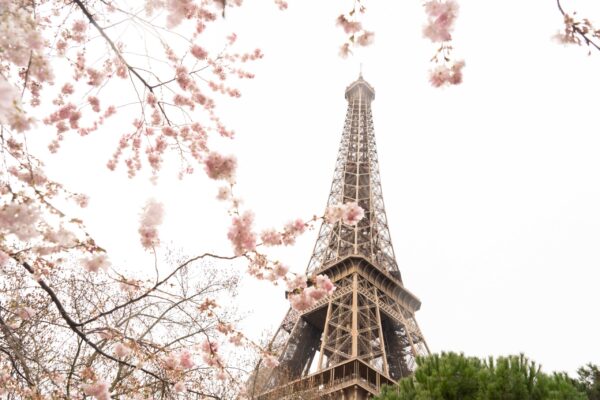
Spring in Paris is associated with the reawakening of nature and the brief yet incredibly spectacular cherry blossom season. Pink and white clouds of petals transform the cityscape, turning familiar streets and parks into the backdrop for romantic films. The sakura blooming season in Paris usually falls in late March and April, but the exact dates depend on the whims of the weather and the specific variety of tree. This time of year attracts thousands of photographers and aesthetes eager to capture the fragile beauty that vanishes as quickly as it appears.
Where to Find Cherry Blossoms in Paris
The city’s blossom map covers both major tourist routes and hidden corners off the beaten path. For those planning a walk, it’s important to understand that the trees bloom unevenly: first, the white flowers of early varieties appear, followed by the lush pink clusters of the famous “Kanzan” cherry.
Popular areas for walks during this period include:
- Squares in front of historic cathedrals.
- Large municipal parks.
- Cozy squares within residential neighborhoods.
- Gardens at government institutions and museums.
Each location has its own atmosphere, offering a different perspective on the metropolis’s spring renewal.
A Springtime Paris Classic: Jean XXIII Square and Notre-Dame
One of the most iconic spots on the map of the city in spring is the square located directly behind the Cathedral of Notre-Dame de Paris. Despite the restoration work underway at the cathedral itself, the surrounding area remains a delight to the eye. Here, trees bloom with incredibly dense pink blossoms, creating a natural frame for the Gothic architecture.
The combination of ancient stone and delicate petals looks monumental. Many choose this spot for morning walks, before the city is filled with noise. The lush cherry tree canopies here hang low enough to make this spot ideal for macro photography and close-up observation.
The Jardin des Plantes: Botanical Diversity
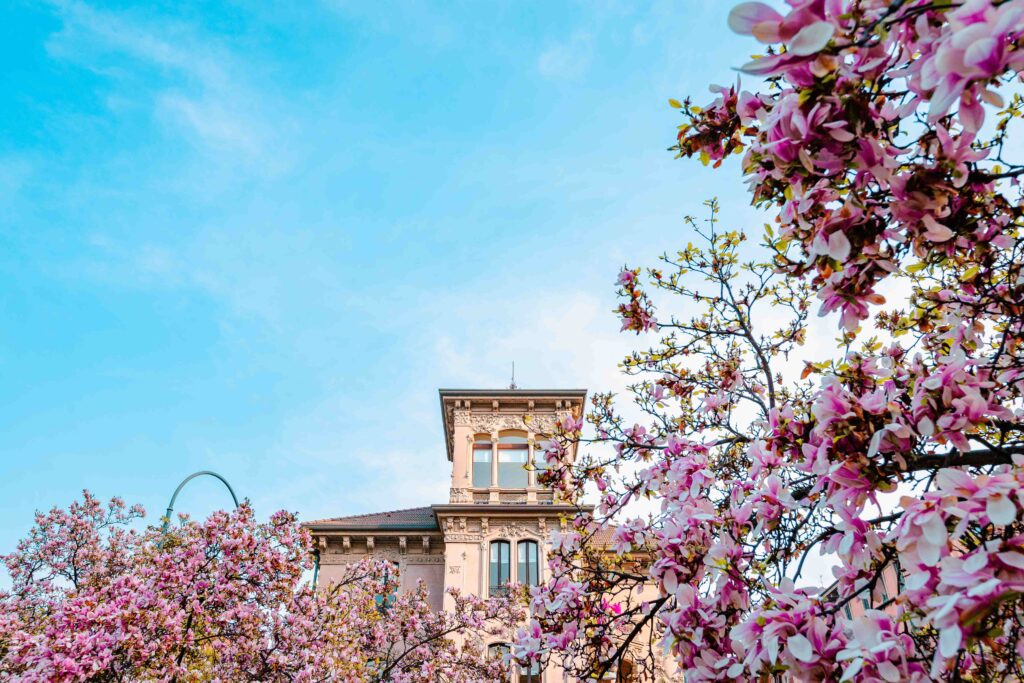
While ornamental species dominate the city center, the Jardin des Plantes offers a more scientific – yet no less aesthetic – approach. This botanical garden in the 5th arrondissement is home to several varieties of cherry blossoms, including the famous “white cloud”, a massive Shirotae tree. Its branches, weighed down by blossoms, bend almost to the ground, creating a living canopy.
A stroll through the Botanical Garden allows you to see cherry blossoms and many other spring flowers. Here, the blooms are presented as part of a large educational open-air exhibition. This spot is chosen by those who appreciate the peace and quiet and want to examine the details of the flower’s structure without being distracted by the hustle and bustle of tour groups.
Gabriel Pierné Square and Shakespeare and Company Bookstore
For those who prefer a more intimate atmosphere, Paris has some cozier spots to offer. Gabriel Pierné Square, located near the Institut de France, is famous for its benches shaped like open books and several magnificent cherry trees. At the peak of the blooming season, the tree canopies close in, forming a pink canopy over the heads of visitors.
Not far from here is another legendary spot – the Shakespeare and Company bookstore. Trees grow in front of its entrance, and on windy days, their petals blanket the sidewalk in front of the shop, creating the unique atmosphere of old literary Paris.
A Spectacular Sight at Parc de Sceaux
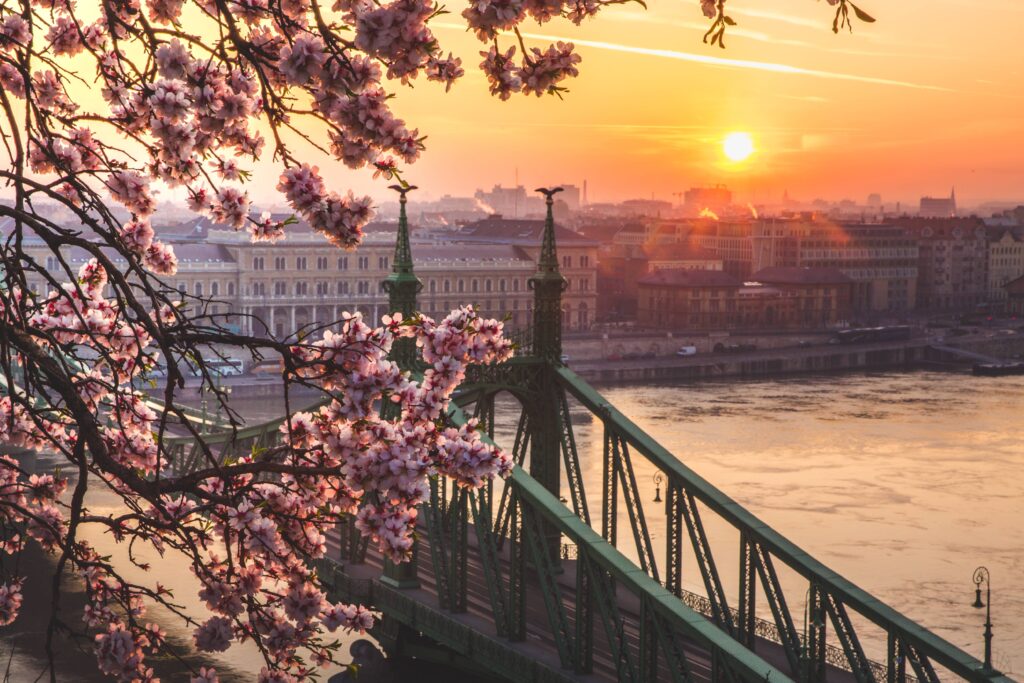
For those willing to venture beyond the city limits, Parc de Sceaux is a must-see. This vast park, designed by André Le Nôtre, features an entire grove of Japanese cherry trees. There are two main sections here: pink and white. The Pink Garden (Bosquet Nord) is the site of the traditional Hanami festival, when people gather for picnics under the blossoming trees.
The sheer scale of this park allows you to truly immerse yourself in the atmosphere of the spring festival. Hundreds of trees blooming simultaneously create the effect of an endless pink forest. A trip to So requires setting aside a full day, as the park is vast and the beauty of the blooming gardens makes you lose track of time. It’s a place that brings the Parisian spring as close as possible to the traditional Japanese perception of this season.
Comments are closed